
Housing affordability in the United States has transformed significantly. What used to be manageable for many households has evolved into a significant financial burden. Escalating rents, soaring home prices, and a scarcity of affordable housing options have left countless families grappling with fewer choices and increased anxiety about their housing security.
To grasp what actions the President might take, it’s essential to first explore why the housing crisis emerged and why it has worsened.
Why Housing Costs Are So High Right Now
A primary reason for the steep housing costs is the simple fact that there aren’t enough homes. According to the Federal Reserve Bank of Cleveland’s analysis of the housing supply issue, the U.S. has been falling short in home construction for decades. With a growing population, housing development has lagged behind, leading to a nationwide deficiency.
When the supply of homes dwindles, prices increase. Buyers vie for a limited selection, prompting landlords to hike rents due to heightened demand. This scenario impacts renters the most, particularly families with lower incomes.
Compounding the problem is that wages haven’t kept up with the rising costs of housing. Research cited in Harvard’s examination of the housing affordability dilemma indicates that in many regions, home prices have escalated much more quickly than wages. This forces families to allocate a significant portion of their earnings just to secure housing.
Renters are especially feeling this strain. The National Low Income Housing Coalition’s findings on rental affordability reveal that in most areas, a full-time minimum wage worker is unable to afford a modest apartment.
Who Suffers the Most Due to the Housing Crisis
The housing crisis impacts a vast array of individuals, yet some groups are particularly affected. This includes low-income families, seniors living on fixed incomes, individuals with disabilities, single parents, veterans, and essential workers in fields such as healthcare, education, and retail.
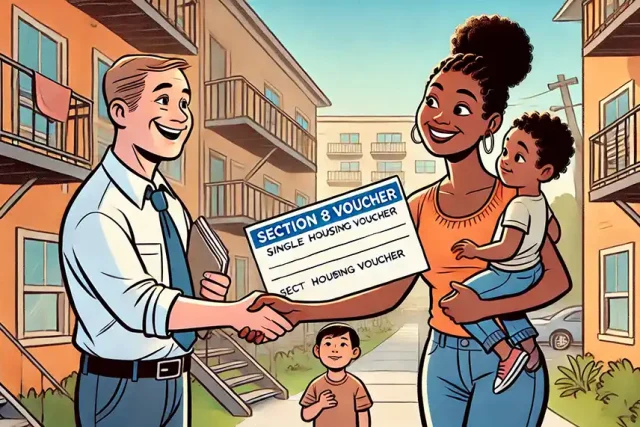
Many of these families are eligible for housing assistance, but the available help is often insufficient. Programs like Section 8 aim to bridge the gap between income and rent, but funding has lagged behind demand. As a result, waiting lists can stretch for years.
For a deeper understanding of how future budgetary decisions could influence housing assistance, check out our article on the funding challenges facing Section 8 and what the forthcoming FY2026 budget discussions could entail.
The President’s Role in Housing
Housing policy is crafted at local, state, and federal levels, with the President wielding significant influence over national priorities. The federal government underwrites substantial housing initiatives, promotes affordable housing development, and shapes how states and municipalities approach construction.
In recent times, the White House has acknowledged the crisis. The official White House fact sheet outlining actions to expand housing and safeguard renters indicates that affordability is now recognized as a national issue.
Nonetheless, many experts concur that existing measures fall short.
Potential Actions by the President to Tackle the Crisis
1. Facilitate the Construction of More Affordable Homes
The most straightforward approach to combatting the housing crisis is by increasing the availability of homes, particularly those that individuals with modest incomes can afford.
The President could advocate for the expansion of programs such as the Low-Income Housing Tax Credit, which provides support to developers for building affordable rental properties. As noted in the overview of how the Low-Income Housing Tax Credit functions, this initiative has successfully created millions of affordable units, yet the demand continues to outstrip supply.
The President could also encourage states and cities to relax regulations that contribute to high construction costs. Research from Brookings on the decline of housing supply in America reveals that strict zoning laws frequently restrict the development of apartments and affordable housing in desirable locations.
2. Boost Funding for Rental Assistance
Urban Institute about gaps in housing assistance indicates that many eligible individuals never receive aid due to insufficient funding.
The President could back the expansion of Section 8 vouchers, protect families from abrupt loss of support, and simplify the application process to make it more user-friendly.
3. Utilize Emergency Powers to Accelerate Action
Some experts in housing assert that the crisis warrants treatment as an emergency. Explanations of the implications of declaring a national housing emergency suggest that such a move could unlock federal resources and expedite housing development in severely affected regions.
4. Enhance Coordination Among Federal Housing Programs
The federal government administers a variety of housing programs, but they do not always operate in harmony. Insights from Pew on policies to curb housing costs indicate that a coordinated approach can slash costs and boost supply when agencies align their efforts toward shared objectives.
What the President Cannot Achieve Alone
The President cannot resolve the housing crisis without Congressional support. Funding determinations and significant policy reforms necessitate lawmakers’ approval. Nevertheless, the President can establish priorities, propose solutions, and elevate housing issues to the forefront of the national discussion.
The Importance of Housing Policy
Housing influences health, education, employment opportunities, and family stability. When housing is affordable, families can plan for their futures. Conversely, unaffordability breeds continuous stress and uncertainty for families.
Local Communities and the Housing Crisis
While the housing crisis is frequently debated at the national level, its impacts resonate most profoundly within local communities. As housing costs outpace income growth, families face tough decisions about living arrangements and budget allocation. Some opt to move further from work in pursuit of lower housing costs, resulting in lengthier commutes and increased transportation expenses. Others may find themselves squeezed into smaller or unsafe accommodations due to the absence of affordable options nearby.
The consequences extend to schools and local services as well. Frequent relocations driven by rising rents can disrupt children’s education, making it challenging for them to maintain academic progress.
Communities experiencing significant housing instability frequently encounter increased pressure on social services, shelters, and emergency housing initiatives.
Local governments also grapple with their own set of challenges. While many municipalities aim to promote affordable housing, their efforts are often hampered by limited resources and stringent zoning regulations. When new housing developments do occur, they tend to cater to higher-income renters, as such projects are easier to finance. This dynamic fosters a widening disparity between income levels and housing costs.
Families relying on housing assistance feel particularly vulnerable in these local climates. Despite having a voucher, securing a landlord willing to accept it can be quite challenging, especially in competitive markets. If rents exceed payment standards, families might be compelled to relocate or forfeit housing that is conveniently located near jobs, schools, and vital support networks.
To effectively tackle the housing crisis, it’s essential to look beyond national statistics and consider how housing shortages impact specific neighborhoods. Strategies that boost the supply of affordable housing, safeguard renter rights, and nurture local solutions can enhance community stability and provide families with a better chance to remain in their homes.
In summary
The housing crisis in the U.S. is not a problem that arose suddenly, nor can it be resolved in a brief timeframe. Still, the President possesses significant tools to assist — by facilitating the construction of affordable housing, bolstering rental assistance, and advocating for sustainable solutions.
Through effective leadership and persistent efforts, housing can become more accessible and stable for millions of Americans who need it the most.
Navigating the Section 8 housing process can seem daunting, and that’s where Section 8 Search comes into play. We are not just a listing site; we are a committed resource aimed at making the search for housing through the Housing Choice Voucher Program both clear and straightforward. Our platform features user-friendly tools to explore listings and waiting list positions across the country, all powered by official HUD data. We also prioritize providing straightforward, helpful information and guidance to empower you with the insights necessary to understand eligibility, complete your application, and adeptly navigate your housing journey.