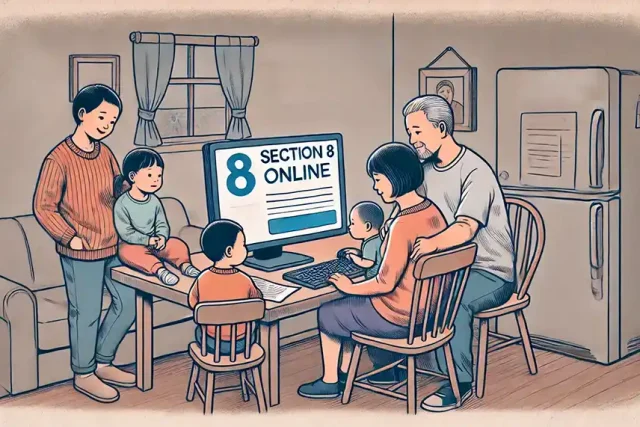


In October 2025, significant modifications were implemented within the disability benefits system in the United States, leading to noticeable effects in the affordable housing sector. The federal government has ceased funding for a pivotal program known as SOAR (SSI/SSDI Outreach, Access, and Recovery), which for many years assisted thousands of individuals with disabilities in getting approved for Supplemental Security Income (SSI).
For numerous renters and landlords relying on federal housing initiatives such as Section 8, this alteration might introduce new hurdles. The loss of SSI access often leaves individuals struggling to cover rent, maintain housing stability, and adhere to program stipulations. Below, we’ll explore the implications of these changes for renters, landlords, and the overall affordable housing landscape—and how you can be proactive amidst these developments.
What Was the SOAR Program?
The SOAR program aimed to simplify and expedite the disability application process. Many individuals with disabilities find the application for SSI or SSDI benefits daunting due to lengthy forms, stringent medical documentation requirements, and complex eligibility criteria. SOAR provided nonprofits, housing caseworkers, and local agencies with the necessary training and tools to assist applicants in navigating the system.
This program was especially vital for those experiencing homelessness or facing the risk of it. For these individuals, SSI wasn’t merely a source of monthly income—it was essential for securing stable housing and rental assistance, including Section 8 vouchers and other affordable housing options.
Without the guidance of SOAR, many individuals could now encounter a perplexing and prolonged process that might delay or even obstruct access to the disability benefits they rely upon.
Why This Matters for Renters on Section 8 or Other Housing Programs
For renters with disabilities, SSI payments frequently mean the difference between having a home and facing homelessness. SSI provides a steady income that supports fundamental necessities, such as contributing to rent through Section 8 and similar programs.
When this income disappears or becomes difficult to obtain, renters may struggle to keep up with rent payments, even while participating in housing assistance programs. Delays or denials of SSI claims can also jeopardize eligibility for housing programs that require income verification for determining assistance levels.
In summary: a reduction in SSI approvals directly translates to more individuals struggling to qualify for or maintain affordable housing.
Local housing authorities and nonprofits have reported an uptick in tenants who are unable to manage their share of rent or are at risk of losing their vouchers.
How This Impacts Landlords in Affordable Housing Programs
Landlords engaged in Section 8 or other federal housing initiatives depend on dependable payments from both the housing authority and the tenants. When tenants lose SSI income, it’s likely that landlords will experience a rise in late or missed payments.
This scenario also complicates the process of filling vacancies. Renters who would typically qualify for a housing voucher or rent assistance might now face hurdles due to stalled income or documentation, complicating their eligibility.
Moreover, landlords may experience longer approval times as local agencies adapt to an increased workload and more complex cases. In some cities, housing authorities are currently managing backlogs due to a shortage of staff trained to assist tenants in navigating the system post-SOAR.
The outcome: more unpredictability, increased administrative delays, and a rise in vacant units in a housing market that desperately needs affordable options.
A Chain Reaction in the Affordable Housing Crisis
The termination of the SOAR program affects a wide range of stakeholders beyond just the individuals applying for SSI. It compounds stress on an already pressured housing system. Here’s why:
- More people may become homeless. Lacking SSI income or guidance, individuals with disabilities who lose jobs or housing are left with reduced support options.
- Public Housing Authorities (PHAs) face added stress. As more individuals fall behind on rent or lose eligibility, PHAs will need to manage additional emergency cases and transfer requests.
- Landlords lose confidence in voucher programs. Unpredictable or unstable payments may discourage property owners from engaging with affordable housing programs.
- Waiting lists grow even longer. As more individuals experience income loss and instability, the demand for Section 8 vouchers rises, yet availability remains limited.
This sequence of events worsens the affordable housing crisis for everyone involved—renters, landlords, and housing agencies alike.
What Renters Can Do Now
Despite the absence of SOAR, renters still have avenues to safeguard themselves and discover support:
1. Seek out local or nonprofit help.
Some community organizations continue to offer assistance with applications for disability benefits. Although they may not label it as SOAR, they can help with paperwork and submission processes.
2. Stay in contact with your housing authority.
If your SSI application is delayed or denied, inform your Public Housing Authority (PHA) immediately. In certain situations, they may temporarily adjust your rent or connect you with short-term assistance.
3. Keep your documentation up to date.
Maintain copies of your medical records, income statements, and any SSI-related documents. These will be essential for both benefit applications and Section 8 renewals.
4. Search for voucher-friendly housing early.
If you need to relocate, explore Section 8 listings. This can help you identify apartments and landlords accepting vouchers in your vicinity, ensuring you stay within program parameters and avoid risking your position.
5. Get reliable, easy-to-understand help.
If you’re feeling overwhelmed by regulations or unsure of where to start, resources like Affordable Housing Assistant can be invaluable. This AI-powered housing help tool provides straightforward, step-by-step answers to your questions about Section 8, SSI, and affordable housing—without lengthy waits, complex jargon, or high consulting fees.
How to Check if Your Disability Benefits Are Affected
If you currently receive SSI or are in the process of applying, it’s crucial to verify whether your benefits are secure or if your payments may face delays. Here’s how you can check:
- Log in to your Social Security account. Visit ssa.gov/myaccount to view your current benefit status, payment history, and any notifications. This is the quickest method to determine if there have been changes to your SSI or SSDI benefits.
- Check your mail and online messages. The Social Security Administration (SSA) sends notifications prior to any alteration in your payments. Be on the lookout for letters or secure messages mentioning “benefit change,” “review,” or “redetermination.”
- Call the SSA directly. If you have questions, reach out to the SSA at 1-800-772-1213 (TTY 1-800-325-0778). Expect long wait times, so it’s advisable to call early in the day.
- Talk to your caseworker or housing authority. If you receive Section 8 or other rental assistance, your housing authority might receive notifications regarding changes to your income. They can verify if your SSI has been reduced or temporarily paused.
- Use a housing help service. If you need assistance deciphering letters or paperwork,
- You can use Affordable Housing Assistant to receive straightforward explanations and guidance on your next steps.
Regularly checking your status can help avoid surprises and enable you to respond swiftly if your benefits are cut or delayed.
What Landlords Should Do
1. Stay flexible and informed.
Understand that many renters are experiencing longer wait times and delays that are beyond their control. Open communication fosters trust and assists in preventing unnecessary evictions.
2. Maintain detailed records.
Keep a complete set of documents including lease agreements, payment histories, and correspondence with your tenants and local housing offices. This safeguards both you and your renters in case disputes arise during this unpredictable period.
3. List your units wisely.
Continue to market your affordable units to renters with approved vouchers. Utilizing Section 8 listings can enhance your outreach to potential renters quickly.
4. Educate yourself about housing changes.
HUD regulations can change rapidly, especially in times of political shifting. Keeping abreast of official updates on HUD.gov and your local housing authority’s website helps you remain prepared.
5. Connect renters to support.
If your tenants appear confused or stressed about their benefits, steer them toward resources like Affordable Housing Assistant, which can outline the necessary steps they need to take next.
Looking Ahead: Will the System Adjust?
Some states are working to fill the void left by SOAR by creating their own local iterations of the program. However, many of these initiatives are limited and underfunded. Currently, most advocates anticipate a decrease in successful SSI applications and an increase in those missing out on benefits they could typically qualify for.
The long-term consequences might involve higher homelessness rates, additional strain on shelters, and increased frustration among landlords who depend on stable rent payments from Section 8 tenants.
There’s mounting concern that if renters fall behind on rent due to delayed SSI benefits, it may jeopardize their standing in housing programs. Once a tenant loses a voucher, regaining another one proves to be extraordinarily challenging.
For landlords, these trends could lead to extended vacancy periods, increased tenant turnover, and diminished confidence in federal housing programs overall.
A Time for Patience and Preparation
Both renters and landlords should approach the upcoming months with patience and understanding. Affordable housing in America was already under strain; the discontinuation of SOAR exacerbates the challenges for those relying on disability benefits to maintain housing.
If you’re a renter, continue to advance with your applications and paperwork—persevere even when the process seems slow. If you’re a landlord, adopt a supportive and open-minded attitude towards tenants who are doing their best in tough situations.
The housing landscape may be evolving, but with the right resources and information, navigating it successfully remains feasible.
Need help understanding Section 8 or other affordable housing options? Check out Affordable Housing Assistant for accessible, clear guidance.
Looking for voucher-approved rentals near you? Explore Section 8 Listings to stay ahead in your search for your next home.