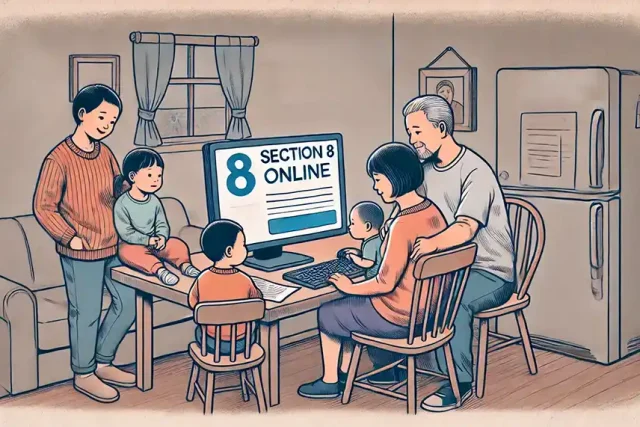


Finding suitable housing can be quite a challenge, especially if you have poor credit, past evictions, rental debt, or other obstacles. Whether you’ve experienced missed payments, conflicts with landlords, or job loss that affected your ability to manage expenses, it’s essential to realize that you can still turn your housing situation around.
Fortunately, numerous programs are specifically designed for renters looking for a fresh start. Whether you are in search of long-term affordable housing, short-term rental aid, or emergency shelter, there are valuable options available to you.
Let’s take a closer look at some of the best Second Chance Housing programs out there and how you can apply for them.
Government Housing Programs That Don’t Require Good Credit
If you’re struggling to rent due to low credit or previous evictions, federal housing programs might be the solution you need. Many of these initiatives prioritize income eligibility over credit scores, making them more attainable for those in need.
1. Housing Choice Vouchers (Section 8)
Known as Section 8, the Housing Choice Voucher Program aids low-income renters by subsidizing a part of their rent in private housing. Many landlords who accept Section 8 vouchers often do not insist on excellent credit, as the government guarantees a portion of their rent.
-
Who qualifies? Generally, low-income households earning less than 50% of the area median income.
-
What about credit checks? While housing authorities may look for significant credit issues, having bad credit alone is not a disqualifier.
-
How to apply: Locate your local Public Housing Agency (PHA) and check waiting lists using our Section 8 Search tool. It’s straightforward, and you can follow the step-by-step guide available here. Just be prepared for potentially long waitlists.
If you’re curious about how new HUD policies might affect Section 8 housing availability, check out this article.
2. Public Housing
Public Housing consists of government-owned apartments and homes available for rent at below-market rates. These units are usually managed by local PHAs and offer affordable options for low-income renters.
-
Who qualifies? Low-income individuals, families, seniors, and people with disabilities.
-
Credit requirements? No minimum credit score is required for public housing. Your rental history may be reviewed, but many housing authorities are willing to work with tenants who have previous issues.
-
How to apply: Visit your local Public Housing Agency to inquire about availability.
3. HUD-Subsidized Private Apartments
The HUD provides funds to private landlords who offer income-based rental units. In this arrangement, you rent from a private landlord while paying an affordable, income-adjusted rate.
-
Who qualifies? Low-income renters.
-
Credit requirements? This varies by landlord; however, many are receptive to tenants with lower credit scores.
-
How to apply: Utilize the HUD apartment search tool to find subsidized rentals in your area.
4. State and Local Rental Assistance Programs
Many states and cities have launched their own rental assistance programs, providing short-term help with overdue rent, security deposits, or moving costs. Some programs also offer long-term housing vouchers similar to Section 8.
-
Who qualifies? This varies by state, but these programs typically help low-income renters facing eviction or housing instability.
-
How to apply: Search for “your state + rental assistance program” or reach out to local housing agencies.
Emergency Housing Options If You Need a Place Fast
If you’re in immediate need of housing due to eviction, job loss, or similar crises, emergency housing programs can offer crucial support.
1. Rapid Re-Housing Programs
Rapid Re-Housing provides assistance to individuals who have recently lost their homes by helping with security deposits, the first month’s rent, and short-term rent payments.
-
Who qualifies? Individuals experiencing homelessness or those at risk of eviction.
-
How to apply: Identify a local program through 211.org or your local housing authority.
2. Homeless Shelters & Transitional Housing
If you’re currently homeless or facing eviction, local shelters can provide a safe place to stay while you look for permanent housing solutions. Some shelters also offer transitional housing, providing stable, low-cost living for several months as you rebuild your finances.
-
Who qualifies? Individuals and families experiencing homelessness.
-
How to find shelter: Call 211, check Homeless Shelter Directory, or visit a nearby social services office.
If you want to learn why homelessness has risen by 18%, this article discusses the latest trends.
3. Emergency Rental Assistance
Some organizations provide one-time emergency grants to cover overdue rent or prevent eviction.
-
Who qualifies? Individuals facing imminent eviction due to financial difficulties.
-
Where to apply: Look into organizations such as:
-
The Salvation Army
-
Catholic Charities
-
Modest Needs (offering small emergency grants)
Rebuilding Your Rental History & Credit
If you’re primarily concerned about poor credit or a past eviction, there are proactive steps you can take to improve your rental history and reassure landlords to give you a second chance.
1. Find Second-Chance Landlords
Some landlords focus specifically on renting to individuals with poor credit or prior evictions. These “second-chance apartments” might request larger deposits or shorter lease terms, but they can provide a pathway back to stable housing.
-
Search for “second chance apartments + [your city]”
-
Explore resources like SocialServe or Zillow Affordable Rentals
2. Look Into Rent Guarantor Programs
If landlords are hesitant to approve your application, rent guarantor services (like TheGuarantors or Insurent) can act as co-signers, enhancing your chances of approval even with low credit scores.
3. Enroll in Tenant Education Programs
Some states offer programs that educate renters on financial management and landlord expectations. Completing these courses can significantly boost your chances of rental approval.
-
Search for “tenant education program + your state”
-
Examples: Rent Well (Oregon), Ready to Rent (various cities)
4. Use Rent Reporting Services to Build Credit
Some programs can report your rent payments to credit bureaus, potentially improving your credit score over time.
Final Thoughts: You Have Options
If you’re facing challenges in securing a rental due to poor credit,
If you’ve faced previous evictions or have rental debt, don’t lose hope. Whether you’re looking for affordable long-term housing, immediate rental assistance, or ways to improve your rental history, support is available.
Start by:
-
Investigating federal programs such as Section 8, public housing, and HUD-subsidized apartments
-
Looking into state and local rental assistance options
-
Considering emergency solutions like Rapid Re-Housing
-
Finding Second Chance Landlords or rent guarantor services
-
Restoring your credit and rental history to improve your future chances
or shelters for immediate help
Even if one program doesn’t fully address your situation, there are still many other avenues to explore. Continue applying, persevere, and remember: securing a second chance at housing is possible.
Navigating the Section 8 housing process can feel overwhelming, and this is where Section 8 Search proves essential. We provide far more than a simple listing service; we’re a dedicated resource focused on making your housing search easier through the Housing Choice Voucher Program. Our platform features user-friendly tools to check listings and waiting list statuses nationwide, all supported by official HUD data. We’re also committed to providing clear, valuable information and guidance, giving you the knowledge you need to understand eligibility, fill out your application, and effectively manage your housing journey.