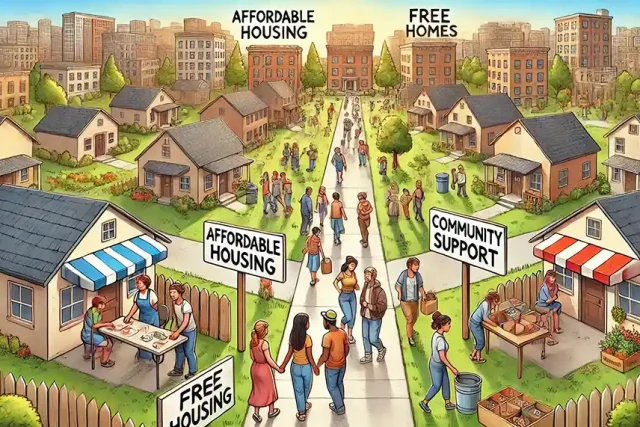


The aspiration of homeownership can seem unattainable for many families. But what if there existed a program capable of making those dreams a reality? The HUD SHOP (Self-Help Homeownership Opportunity Program) is precisely doing that.
“These funds will help make dreams come true. Many families want to buy a home, but can’t find one they can afford,” said HUD Agency Head Adrianne Todman. If you’re considering options like Section 8 housing, rent-to-own (RTO) programs, or affordable home buying solutions, SHOP may be the opportunity you’ve been looking for.
What is the SHOP Program?
The SHOP program allocates funds to non-profit organizations that assist families with limited incomes to construct their own homes. Participants engage in “sweat equity” by completing tasks like painting or landscaping, which lowers the overall home cost, making it more accessible.
Key Features:
-
Sweat Equity Contribution: Families invest time in their homes to reduce expenses.
-
Non-Profit Partnerships: Funds are provided to organizations such as Habitat for Humanity.
-
Flexible Design: Homes can be tailored to suit family needs.
How Does the SHOP Program Work?
-
Funding Non-Profits: HUD designates SHOP funds to approved organizations.
-
Recruiting Participants: Nonprofits select qualifying families based on income and their readiness to contribute sweat equity.
-
Building Homes Together: Families collaborate with professionals to construct or renovate their houses.
-
Affordable Ownership: Finished homes are sold to families at cost, facilitating ownership.
Who is Eligible for SHOP?
To qualify, you must meet certain criteria:
-
Low to Moderate Income: Generally, families earning less than 80% of the area median income.
-
Willingness to Work: Families must complete sweat equity hours.
-
Stable Employment or Income Source: Sufficient to manage mortgage payments.
Consult local non-profits like Habitat for Humanity for further eligibility specifics.
How Does SHOP Compare to Section 8 and Rent-to-Own?
While Section 8 is focused on rental assistance, SHOP promotes homeownership. Rent-to-own (RTO) programs provide a pathway for renters to eventually own their homes. Here’s a side-by-side comparison:
| Feature | Section 8 | Rent-to-Own (RTO) | SHOP Program |
|---|---|---|---|
| Goal | Rental affordability | Transition to ownership | Direct homeownership |
| Cost Structure | Rent assistance | Monthly payments | Sweat equity + cost |
| Eligibility | Income-based | Credit and income | Income + sweat equity |
| Support Level | Federal voucher | Private agreements | Non-profit + HUD |
If you’re exploring RTO options, be sure to check out our Rent-to-Own Article.
Why Choose SHOP?
-
Lower Costs: The sweat equity aspect significantly lowers home prices.
-
Community Building: Participants collaborate with neighbors, strengthening community ties.
-
Ownership Stability: Unlike renting, purchasing a home through SHOP offers long-term security.
How to Apply for SHOP?
Follow these steps to get started:
-
Find a Local Non-Profit: Seek out HUD-approved organizations, like Habitat for Humanity, in your locality. Search HUD-approved organizations.
-
Submit an Application: Provide evidence of income, employment, and readiness to engage.
-
Interview and Approval: Once approved, you will sign an agreement detailing your responsibilities.
-
Start Building: Commence sweat equity hours and work towards your future home.
Challenges to Consider
-
Time Commitment: Engaging in sweat equity requires a considerable time investment.
-
Eligibility Variations: Each non-profit may have its own eligibility standards.
-
Location Limitations: Availability depends on local organizations participating in the program.
Frequently Asked Questions
1. Is the SHOP Program only for low-income families?
Yes, it is intended for families earning under 80% of the area median income.
2. Do I need construction experience to join?
No prior experience is necessary. Non-profits offer training and guidance.
3. Can Section 8 vouchers be used with SHOP?
Not directly, but participants can transition from Section 8 to the homeownership opportunity through SHOP.
4. What happens if I can’t complete the sweat equity hours?
Nonprofits may permit assistance from family or friends, but you must still meet the minimum requirements.
5. Are SHOP homes in rural or urban areas?
Both! The locations depend on the operations of participating non-profits.
6. How does SHOP funding affect home prices?
Funding from HUD helps to lower construction costs, ensuring homes remain affordable for families.
Learn More
For additional details, visit HUD’s SHOP Program Page or reach out to local non-profits like Habitat for Humanity. For more insights into affordable housing programs, explore our guides on Section 8 Housing and Rent-to-Own Options.
With potential reductions in government funding, now is the optimal moment to take advantage of the SHOP program. It’s not merely about constructing houses; it’s about crafting dreams, nurturing communities, and shaping futures. With commitment and effort, homeownership can evolve from a distant aspiration into a reality.
Ready to make your dream of owning a home come true? The SHOP program could be your solution!
Navigating the Section 8 housing process can often feel daunting, which is where Section 8 Search comes into play. We’re not just a listing platform; we serve as a dedicated resource aimed at simplifying the process of finding housing under the Housing Choice Voucher Program. Our user-friendly interface allows you to explore listings and waiting list statuses across the nation, all based on official HUD data. Additionally, we are passionate about providing clear and useful information, empowering you to understand eligibility, complete applications, and confidently navigate your housing journey.