
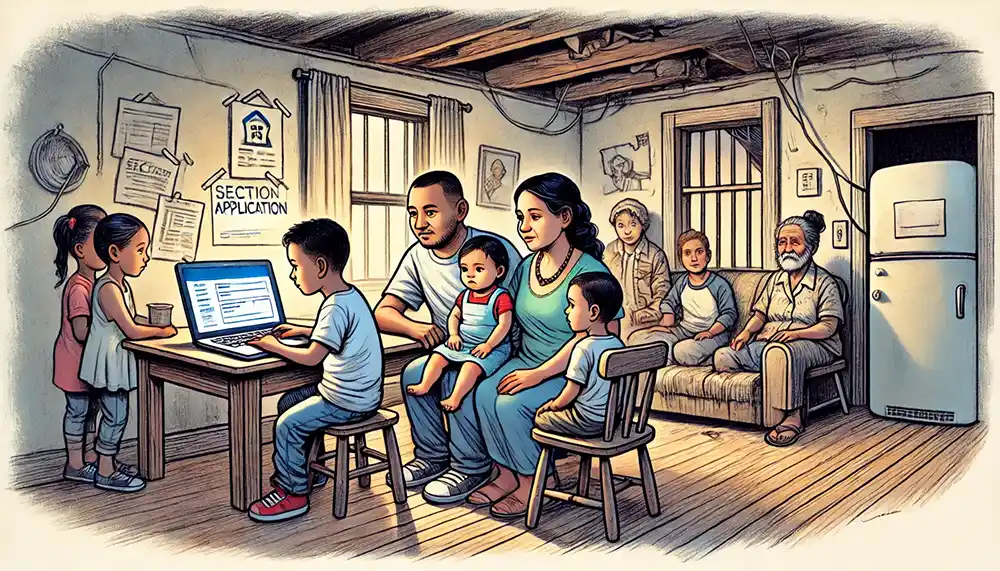

Access to affordable housing remains a significant need, yet it poses a considerable challenge for many immigrants.
Whether documented or undocumented, immigrants frequently encounter distinct hurdles when searching for stable and affordable housing.
This article aims to shed light on the difficulties faced by immigrants and offers straightforward tips for navigating housing programs.
We’ll explore subjects such as Section 8 housing for immigrants, accommodations for undocumented individuals, eligibility criteria, and resources available for those without documentation.
Additionally, we will discuss how advocates and social workers assist immigrants in locating housing and how to surmount language and cultural barriers.
Whether you’re a professional helping immigrants or an individual seeking information, this guide is crafted to aid you in understanding and navigating the journey to affordable housing.
Understanding the Challenges Immigrants Face in Housing
Immigrants often struggle to find affordable housing, particularly through government programs. These challenges can stem from language barriers and a lack of familiarity with the local housing market. In fact, Section 8 for immigrants highlights a significant funding gap, leaving many immigrants in desperate need of more affordable housing options.
Moreover, discrimination based on immigration status or nationality can further complicate the process of finding and securing affordable housing. Recognizing these challenges is essential to helping immigrants secure better housing opportunities.
Section 8 and Housing Assistance for Immigrants
Section 8, known as the Housing Choice Voucher Program, is a federal assistance initiative that supports immigrants in affording housing. It issues vouchers that cover part of the rent, making housing more accessible for low-income individuals and families.
- The program is managed by local public housing agencies.
- It is open to U.S. citizens, non-citizen nationals, and select categories of immigrants.
How to Qualify for Housing Programs as a Documented Immigrant
Finding assistance as a documented immigrant can be a daunting task, but it doesn’t have to be. Federal housing programs are generally divided into restricted and non-restricted categories. Restricted programs cater specifically to documented immigrants or those with a citizen family member, particularly when the head of the household is a citizen. If you’re a documented immigrant seeking housing assistance, here are some steps and tips to kick-start your journey.
Step 1: Verify Your Immigration Status
First, confirm your immigration status at your local county immigration office. Knowing your status is crucial as it influences which housing assistance programs you can access. Ensure all your documents are prepared to save time and avoid any issues along the way.
Step 2: Find the Right Housing Program
Next, identify housing programs that fit your needs. There are several options available for eligible immigrants:
- Section 8 Housing Choice Voucher: This program adjusts your rental amounts based on your income and the number of eligible members in your household.
- Public Housing: Offers affordable housing options for low-income families.
- Project-Based Section 8 Housing: Similar to the Housing Choice Voucher but associated with specific properties.
Each program has its unique requirements and advantages, so it’s worth taking the time to research and select the option that matches your situation best.
Step 3: Explore Rural Housing Programs
If you reside in or are willing to move to a rural area, consider the US Department of Agriculture’s rural housing programs. These initiatives provide rent subsidies to enhance housing affordability. It’s important to note that at least one member of the household must either be a citizen or a legal immigrant to qualify. Your immigration status will be verified, and you may also be required to submit your Social Security number.
Eligibility Criteria for Housing Programs
Eligibility for Section 8 for immigrants and various housing assistance programs hinges on factors like income level, family size, and immigration status.
It’s essential to recognize that eligibility criteria can vary depending on the program and location. Immigrants should thoroughly research and comprehend the specific requirements of the housing programs they are interested in to ensure they qualify and understand how to apply.
Rent Assistance for Undocumented Immigrants
Rental assistance programs often require social security numbers from applicants and their household members, creating barriers for undocumented immigrants. This segment of the population frequently grapples with housing challenges. In the U.S., both documented and undocumented immigrants can access housing support.
Documented status indicates legal entry into the country, but even those who aren’t here legally can receive governmental assistance for housing, food, and other necessities.
Several states provide rental relief specifically for undocumented immigrants, allowing them aid with rent payments for up to 12 months past due and three months ahead. Applicants are not required to disclose their legal status, facilitating the application process for undocumented individuals. Additionally, those without stable income or housing may qualify for emergency housing assistance and rental support, though these tend to be short-term solutions. Various forms of rental assistance are available for undocumented individuals, including shelters, transitional housing, and vouchers for motels and hotels.
Resources for Undocumented Immigrants
Undocumented immigrants often face heightened challenges in attaining affordable housing. However, numerous resources exist to assist them. Many nonprofit organizations and advocacy groups offer support akin to Section 8 for undocumented individuals seeking housing options.
These organizations can inform immigrants about tenant rights, assist in locating affordable housing, and provide support in addressing potential discrimination. It is vital for undocumented immigrants to connect with these resources to more effectively navigate the housing system.
Navigating Local and Federal Housing Laws
Gaining an understanding of local and federal housing laws is essential for immigrants to enhance their chances of securing suitable housing. These laws influence eligibility for housing assistance and tenant rights. Being aware of these regulations helps prevent potential legal complications and ensures fair treatment.
A wealth of resources is available to help immigrants comprehend these laws. Numerous nonprofit organizations provide legal assistance and educational materials to empower immigrants in understanding housing regulations and defending their rights.
Steps to Improve Housing Access
Obtaining affordable housing can be quite challenging for immigrants. Fortunately, there are actionable steps they can take to improve their chances of success.
Here are some strategies to help get you started:
- Create a comprehensive rental application, including references and proof of income.
- Familiarize yourself with the application process for housing assistance programs.
- Use online resources and databases for housing searches.
- Engage with local immigrant advocacy groups for support and resources.
- Seek out housing providers that are friendly to immigrant needs.
- Consider credit counseling services to improve creditworthiness.
- credit history in the U.S.
Following these guidelines will significantly enhance immigrants’ prospects of obtaining affordable housing.
Overcoming Language and Cultural Barriers
Language and cultural obstacles can present serious challenges for immigrants in their search for housing. These hurdles may hinder their ability to comprehend housing laws, complete applications, and communicate effectively with landlords.
Fortunately, numerous resources are available to assist. Many housing assistance programs provide translation and interpretation services. Housing organizations that recognize diverse cultural backgrounds can cater to the unique needs of immigrants. Utilizing these services can empower immigrants to navigate the housing system more efficiently, paving the way for quicker access to housing.
The Role of Advocates and Social Workers for Immigrant Housing
Advocates and social workers play a crucial role in aiding immigrants as they seek affordable housing. They assist in navigating complex housing systems, facilitate applications, and provide emotional support during the approval process.
Additionally, these professionals can connect immigrants with resources such as legal aid, translation services, and financial counseling. By understanding the specific challenges immigrants encounter, advocates and social workers can offer customized support that enhances access to affordable housing.
Dealing with Discrimination and Finding Support
Discrimination can be a significant barrier to housing for immigrants. It is essential to recognize that federal law prohibits housing discrimination based on national origin. If an immigrant faces discrimination, they have the right to report this to the Department of Housing and Urban Development.
Finding support is equally vital. Immigrants can reach out to local advocacy groups, non-profit organizations, and community resources. These organizations can provide aid, offer guidance, and help immigrants understand their rights. Furthermore, they often foster a sense of community, which can be reassuring during the challenging process of securing housing.
Building Credit and Rental History in the U.S.
Establishing a credit history and rental record in the U.S. can be daunting for immigrants, yet it is vital for securing housing. Immigrants can begin by opening a U.S. bank account, applying for a credit card, and ensuring timely payments. Renting a home and consistently paying rent on time can also contribute to building a positive rental history.
Legal Assistance and Tenant Rights
Comprehending tenant rights is crucial for immigrants, as it protects them from potential exploitation. This includes awareness of their right to safe and habitable housing, protection from discrimination, and the right to privacy.
Access to legal assistance can be essential in navigating these rights. Many non-profit organizations offer free or low-cost legal services tailored for immigrants. They can assist with issues such as eviction notices, discrimination complaints, and understanding lease agreements.