

-
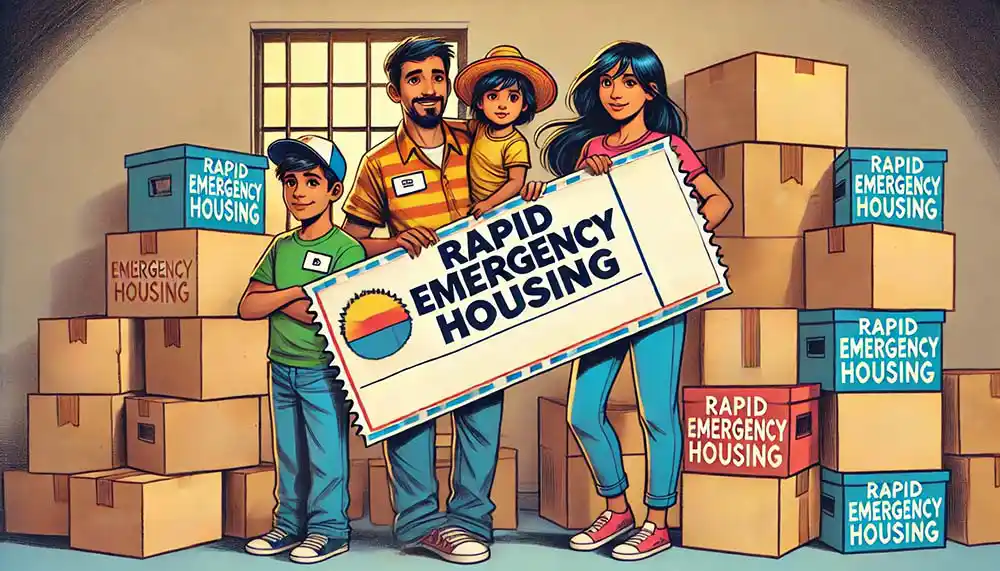
Emergency housing programs exist to aid individuals confronting homelessness or eviction.
-
Achieving Emergency Section 8 housing status enables applicants to bypass lengthy waiting lists.
-
Criteria for qualifying for emergency status include homelessness, domestic violence, natural disasters, severe medical issues exacerbated by unsafe living conditions, and expending over 50% of income on rent.
-
Consistency and leveraging resources like 211, public housing authorities, nonprofits, and government programs are vital in obtaining Section 8 emergency housing.
Have you, or someone close to you, ever faced homelessness or the possibility of eviction? The mere thought can create a distressing wave of anxiety. Situations can change in an instant, whether because of job loss, escaping domestic violence, or the risk of eviction. Fortunately, there is a glimmer of hope. Emergency assistance programs are designed to provide safe and clean housing quickly for those in crisis.
Navigating the housing support application process, especially under pressing timelines, can be immensely challenging. For individuals in urgent housing crises needing access to Section 8 emergency housing, understanding how to obtain emergency status without the burden of lengthy waiting lists is essential. When families face distress, every moment counts. This guide offers straightforward steps to help you maneuver through the process of securing emergency housing assistance, aiming to help you swiftly and seamlessly acquire emergency Section 8 vouchers.
Understanding Section 8 and Emergency Housing
Section 8, formally known as the Housing Choice Voucher Program, assists low-income families, senior citizens, and individuals living with disabilities. It creates a more manageable route to safe and affordable housing within the private market. Demand for these vouchers far outstrips the available supply, leading to long waitlists.
Emergency housing status accelerates the process for those who urgently require assistance, such as individuals facing homelessness, domestic abuse, or eviction. Here’s how you can navigate the system to obtain emergency housing support.
Step 1: Assess Your Situation
Before proceeding, it’s important to assess your eligibility for emergency housing. Common conditions that may qualify you include:
-
Being homeless or staying in a shelter or temporarily with others
-
Experiencing domestic violence
-
Being impacted by natural disasters
-
Suffering from medical conditions worsened by your current living situation
-
Paying over 50% of your income on rent
If any of these scenarios apply to you, you may be eligible for expedited assistance. However, keep in mind that being eligible does not ensure you will receive emergency Section 8 housing. The availability of local resources is also a significant factor; this is merely the initial step.
Step 2: Contact 211 for Immediate Assistance
Your first action in seeking emergency housing support should be to call 211, a national service that connects individuals to local resources. When you reach out to 211, an operator will help you find emergency low-income housing options available.
Consider 211 as the equivalent of 911 for housing emergencies. Clearly describe your situation and ask for help in obtaining Section 8 emergency status or other relevant housing resources. The operator will do their best to point you to the necessary emergency services, so providing detailed information is crucial.
Step 3: Gather Necessary Documentation
To apply for emergency housing status, you’ll need to collect specific documents that substantiate your application. These may include:
-
Proof of income
-
Identification documents (such as Social Security cards and IDs)
-
Verification of your current housing situation (like eviction notices or proof of shelter residency)
-
Medical records, if relevant
-
Police reports in cases of domestic violence
Having this documentation promptly available will help to clearly illustrate the urgency of your situation, and being prepared in advance can speed up the process. Generally, the more documentation demonstrating the severity of your circumstances, the better. So, compile as much relevant evidence as possible.
Step 4: Apply for Emergency Housing Vouchers
After assembling your necessary documentation for emergency housing, it’s time to apply for emergency Section 8 housing vouchers. The government allocates funds for Emergency Housing Vouchers through local Public Housing Authorities, with over 70,000 vouchers distributed so far. The application process can differ based on your location, but it generally includes:
-
Contacting your local Public Housing Authority (PHA): You can find the nearest PHAs using Section8Search; results will appear in purple. Be sure to reach out to several authorities, as each may offer different forms of assistance.
-
Completing the Application: Provide thorough and honest responses and ensure all necessary documents are included. This application may also be applicable for other housing programs offered by the PHA.
-
Requesting Emergency Status: Clearly communicate that you are applying for emergency Section 8 housing due to your specific situation.
Your PHA will review your application to determine eligibility for emergency status. If approved, you could bypass the regular waiting list and receive expedited aid. Even if immediate emergency assistance is not granted, you will still be placed on waitlists for other advantageous programs.
Step 5: Explore Additional Housing Resources
While awaiting the progress of your application, take the opportunity to investigate other housing resources at your disposal. Some alternatives might include:
-
Transitional Housing Programs: These offer temporary housing and support services as you strive to secure permanent accommodations.
-
Local Non-Profits and Charities: Organizations like the Salvation Army, Catholic Charities, and United Way often provide emergency housing aid for those in need.
-
State and Local Government Programs: Many local governments provide additional resources for individuals facing urgent housing needs, so be certain to identify programs available in your area.
Step 6: Follow Up and Stay Informed
Once your application is submitted, it’s vital to regularly follow up with your PHA to check on your application’s status. Being proactive can help ensure your case remains a priority and doesn’t fall through the cracks.
Additionally, keep the lines of communication open with any organizations or resources you’ve contacted. Establishing relationships with these entities can lead to ongoing support and assistance.
Real-World Example: Success Through Persistence
For Maria, a single mother on the brink of eviction, securing an emergency Section 8 housing voucher during a critical period was a triumph. By calling 211, gathering the essential documents, and applying for low-income emergency housing vouchers from her local PHA, Maria received a Section 8 voucher within a month. Furthermore, she sought aid from local charities, which offered temporary assistance while she navigated her application process.
Attaining Section 8 emergency status without enduring a waiting list can be challenging, but it is certainly feasible for those who persist.
Individuals navigating a crisis can benefit from a structured approach. By evaluating your circumstances, contacting 211, gathering necessary information, applying for emergency Section 8 vouchers, exploring supplementary resources, and remaining proactive, you can move through the system with greater efficiency.
A Guiding Light in Your Section 8 Housing Emergency
Always remember, you are not alone on this journey. Support and resources are out there to help you during this challenging period. Stay focused, seek assistance, and tackle one step at a time. Your goal of achieving stable, affordable low-income emergency housing is within your grasp.
Navigating the Section 8 housing process can feel overwhelming, which is where Section 8 Search comes in to help. We are more than just a listings website; we act as a committed resource dedicated to making your experience with the Housing Choice Voucher Program smooth and worry-free. Our platform includes user-friendly tools that enable you to explore listings and waiting list statuses nationwide, all grounded in official HUD data. We strive to deliver clear and helpful information, equipping you with the knowledge you need to comprehend eligibility criteria, complete your application, and confidently embark on your housing journey.