
Navigating the realm of housing assistance can be quite intricate.
For social workers and their clients, grasping the available options is vital.
One option worth noting is the HUD-VASH housing program.
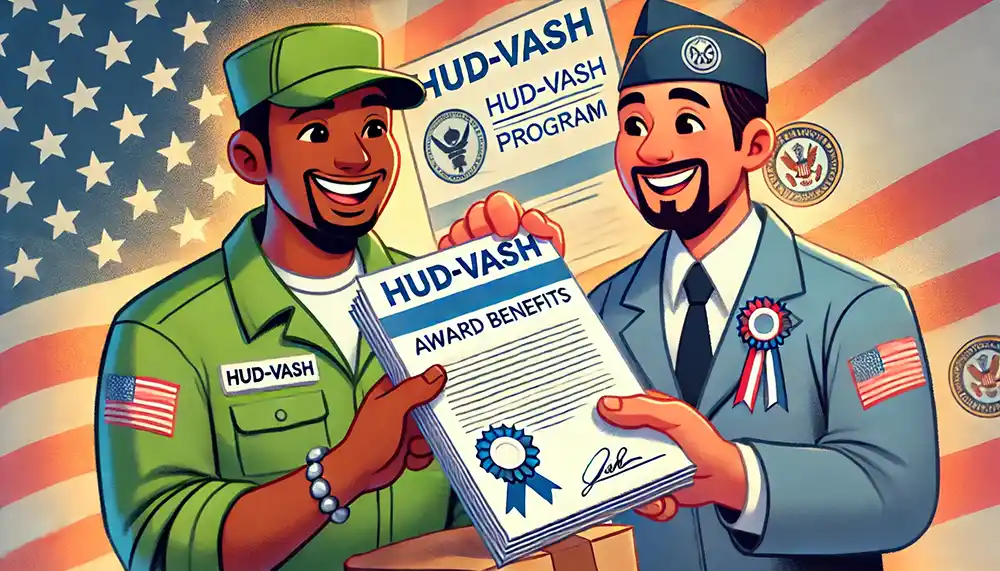
This initiative merges housing vouchers from the Department of Housing and Urban Development (HUD) with supportive services from Veterans Affairs (VA).
Its primary goal is to assist homeless veterans in finding stable, long-term housing.
In this article, we’ll explore the effects of HUD-VASH supportive housing. We will discuss how it benefits homeless veterans, who is eligible to apply, the application process, and the services provided. Whether you’re a social services professional, advocate for housing rights, or seeking assistance for housing, this guide simplifies HUD-VASH housing information.
Understanding HUD-VASH Housing
The HUD-VASH program represents a distinctive collaboration between two federal agencies.
The Department of Housing and Urban Development (HUD) offers housing vouchers, which help subsidize rental costs in the private market.
Concurrently, the Department of Veterans Affairs (VA) delivers supportive services, including case management and clinical resources, tailored to meet the unique needs of homeless veterans.
Together, these elements create the HUD-VASH program, aimed at offering a long-lasting, sustainable solution to veteran homelessness.
By addressing both housing and support service needs, HUD-VASH adopts a holistic method to tackle homelessness. This approach acknowledges that stable housing is just one aspect of the solution. Support services are equally essential to foster independence and recovery among veterans.
The HUD-VASH Program: A Brief Overview
The HUD-VASH program was launched as a vital part of the federal initiative to eradicate veteran homelessness. It pairs HUD housing vouchers with VA supportive services to assist homeless veterans in securing stable accommodation.
The program has successfully aided tens of thousands of veterans throughout the country, proving to be a cost-effective strategy for decreasing homelessness.
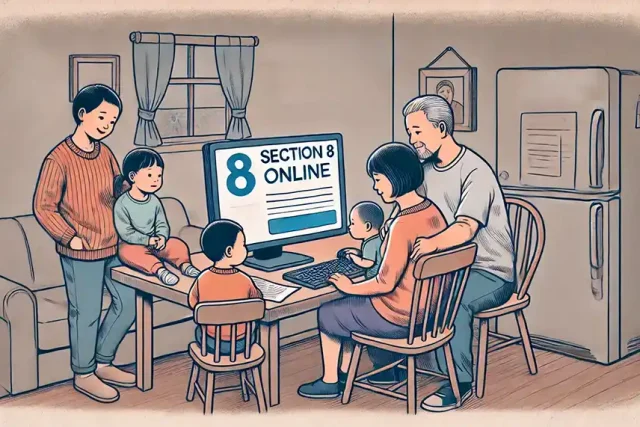
HUD-VASH vouchers are a specific type of Section 8 voucher reserved for veterans, utilized to subsidize rental housing in the private sector.
Supportive services provided by the VA are customized to address the individual needs of each veteran, often encompassing mental health care and substance abuse treatment. These services are designed to encourage veteran independence and recovery.
HUD-VASH Benefits for Veterans
The HUD-VASH program furnishes various advantages for veterans, assisting them in transitioning from homelessness to stable, self-sufficient living. There are six core benefits of the HUD-VASH program for veterans:
- Affordable Housing: The foremost advantage of HUD-VASH is access to affordable housing. The vouchers provided by HUD cover a substantial portion of the rent, easing the financial strain on veterans. This enables them to reside in safe, stable homes without the persistent anxiety of eviction due to financial difficulties.
- Comprehensive Support Services: Veterans engaged in HUD-VASH benefit from broad support services through the VA. These services assist veterans with healthcare, mental health services, assistance for substance use, and job training. The objective is to comprehend the underlying reasons for veteran homelessness and aid them in achieving independence.
- Improved Quality of Life: Securing stable housing along with access to healthcare and support services greatly enhances the quality of life for veterans. They can concentrate on their recovery and personal growth free from the stress and uncertainty associated with homelessness. This stability also has a positive effect on their mental and physical well-being.
- Community Integration: By residing in the community, veterans in the HUD-VASH program can reintegrate into society. They have the chance to forge social connections, participate in community activities, and cultivate a sense of belonging. This social integration is vital for their overall wellness and long-term success.
- Reduction in Homelessness: HUD-VASH has played an essential role in diminishing veteran homelessness on a national scale. The program has assisted countless veterans in finding housing and support, leading to a decline in the homeless veteran population and contributing to the broader initiative of ending homelessness among veterans.
- Enhanced Stability and Independence: The combination of housing and supportive services empowers veterans to achieve stability and independence. They can concentrate on their aspirations, such as employment, education, and personal development, without the constant concern of securing a place to live.
How to Apply for HUD-VASH
Applying to the HUD-VASH program entails several steps, requiring coordination among the veteran, the VA, and local housing authorities. Here is a detailed breakdown of how veterans can apply for the program:
1. Eligibility Determination
The initial step in the application process is to ascertain eligibility. To qualify for HUD-VASH, a veteran must meet the following prerequisites:
- Veteran Status: The applicant must be a veteran eligible for VA healthcare services. This includes veterans who have served actively and have been discharged under conditions other than dishonorable.
- Homelessness: The veteran must be homeless or at imminent risk of homelessness. The VA follows the definition of homelessness established by the McKinney-Vento Homeless Assistance Act, encompassing individuals residing in emergency shelters, transitional housing, or locations not intended for human habitation.
- Need for Supportive Services: The veteran must demonstrate a requirement for case management and supportive services offered by the VA.
2. Referral to VA Case Management
Once a veteran is deemed eligible, they are referred to a VA case manager. This referral may originate from various sources, such as VA medical centers, homeless shelters, community organizations, or self-referral by the veteran. The case manager plays a pivotal role in the application process and provides continuous support to the veteran.
3. Assessment and Enrollment
The VA case manager evaluates the veteran’s needs, including housing, health, mental health, and past substance use. They also assess additional factors. Based on this evaluation, the case manager formulates a personalized plan to assist the veteran with their distinct requirements.
If found to be a suitable candidate for HUD-VASH, the veteran is enrolled in the program. This enrollment entails a commitment to engage in case management and adhere to the service plan crafted by the case manager.
4. Housing Search
Upon enrollment in HUD-VASH, the veteran commences the search for appropriate housing. The case manager typically assists in this endeavor, guiding the veteran in finding rental units that align with their needs. The aim is to secure housing that is safe, affordable, and in a location beneficial to the veteran’s recovery and stability.
5. Voucher Issuance and Lease Signing
After identifying a suitable rental unit, the veteran receives a Housing Choice Voucher from the local public housing authority (PHA). This voucher can be utilized to finalize the rental agreement, with the PHA directly covering a portion of the rent to the landlord. The veteran is responsible for paying the remaining rent balance.
The case manager supports the veteran in navigating the lease signing process, ensuring all necessary documentation is completed and that the lease terms are clearly understood. This role is critical in facilitating a seamless transition into the new living arrangement.
6. Ongoing Case Management and Support
Once settled, the veteran continues to receive case management and supportive services from the VA. The case manager will regularly check in, provide ongoing assistance, and help resolve any issues that may arise. Their primary aim is to ensure the veteran remains housed and makes advancements toward personal goals.
The Role of Social Workers in Navigating HUD-VASH
Social workers are vital in the HUD-VASH program, assisting veterans in maneuvering through the intricate system of housing assistance.
A key duty is to offer information on eligibility and the application process. They help veterans grasp the necessary steps and guide them through each phase.
Additionally, social workers advocate for their clients, ensuring that veterans access the support necessary to secure and maintain stable housing.
They also provide emotional support, fully aware of the emotional toll that homelessness can take, offering compassionate care to those in need.
Moreover, social workers play a crucial role in connecting veterans with extra resources, helping them access mental health services, substance abuse treatment, and various supportive services available through the VA.
Supportive Services Offered Through HUD-VASH
The HUD-VASH program extends beyond merely providing housing; it also includes services designed to support veterans in retaining their homes and improving their lives.
These services, delivered by the VA, include case management and clinical services. Case managers collaborate with veterans to create personalized care strategies that cater to their specific needs.
Mental health services and substance abuse treatment are frequently included in the offerings, addressing the underlying issues that may have contributed to the housing dilemma.
The overarching goal of these supportive services is to foster veteran independence and recovery. By addressing housing and supportive service needs, HUD-VASH employs a holistic approach to ending veteran homelessness.
The Emotional Impact of Housing Instability and How HUD-VASH Helps
Housing instability can profoundly affect an individual emotionally, often leading to feelings of fear, uncertainty, and stress, which can exacerbate pre-existing mental health challenges.
The HUD-VASH program acknowledges this and provides supportive services to tackle these emotional hurdles. This includes mental health services and substance abuse treatment, essential for many veterans grappling with homelessness.
By offering stable housing along with supportive services, HUD-VASH helps to ease the emotional strain of housing instability. This support can translate into enhanced mental well-being and an improved quality of life for veterans.
Recognizing the emotional ramifications of homelessness is crucial for social workers and other professionals aiding veterans. It enables them to deliver more effective support and advocate strongly for their clients within the HUD-VASH framework.
Success Stories and Community Impact of HUD-VASH
The HUD-VASH program has successfully assisted thousands of veterans in achieving stable housing. These positive outcomes reflect the program’s effectiveness and its significant impact on individual lives.
At a community level, the program also plays a pivotal role. By reducing homelessness among veterans, HUD-VASH helps alleviate pressures on emergency services and other community resources.
The program’s achievements further aid in diminishing the stigma surrounding homelessness. This shift can lead to increased community support for initiatives like HUD-VASH and foster a deeper understanding of the challenges faced by homeless veterans.
These success stories and the broader community impact underline the importance of the HUD-VASH program, showcasing its role not only in providing housing but also promoting recovery and autonomy for veterans.
Additional Resources and Support for HUD-VASH Participants
For individuals engaged in the HUD-VASH program, supplementary resources and support can be tremendously beneficial, ranging from local community services to national organizations dedicated to veteran support. Social workers are instrumental in linking clients with these valuable resources.
Beyond HUD and VA services, numerous other organizations extend support to veterans, including mental health services, job training programs, and family support initiatives.
Here are some resources worth exploring:
- National Coalition for Homeless Veterans: Offers resources and advocacy for homeless veterans.
- Veterans Crisis Line: Provides confidential support for veterans in crisis.
- National Alliance on Mental Illness (NAMI): Assists with mental health resources and support for veterans.
- U.S. Department of Labor Veterans’ Employment and Training Service (VETS): Connects veterans with job training and employment resources.
Keep in mind that the path to stable housing may be challenging, but with the right support and resources in place, it is certainly possible.